
Utrecht
Pilot Project in Utrecht
Utrecht, the Netherlands' fourth-largest city (approx. 375,000 residents), is renowned for its commitment to sustainability and eco-friendly development. The city actively promotes green spaces and has implemented large-scale greening projects to enhance the urban environment and support biodiversity.
As pilot city in the LivableCities project, Utrecht focuses on integrating trees into BGI of urban streets to enhance biodiversity, climate resilience and overall well-being. The municipality aims to plant one tree for every newly built house—amounting to approximately 60,000 trees by 2040. This ambition reflects Utrecht’s broader commitment to sustainable urban development, supporting biodiversity, air quality, climate adaptation and the health of its residents.
As pilot city, Utrecht will explore how tree planting can be meaningfully scaled in dense urban environments, moving from small-scale interventions (e.g., 3 trees) to more substantial redesigns (e.g., 30 trees). Trees will be integrated into BGI to provide shade, absorb water, and help to cope with climate change.
To support this goal, Utrecht will experiment with three types of streets that reflect common spatial and functional challenges seen across NWE cities. This approach builds on earlier local work classifying street typologies—such as inner-city streets, post-war layouts, and low-traffic zones—and identifying recurring technical, spatial and social barriers to greening.
Working from these typologies, the city aims to move from analysis to implementation by testing practical ways to overcome these barriers in 'priority' streets. This will involve collaboration with residents, technical experts and third-party stakeholders.
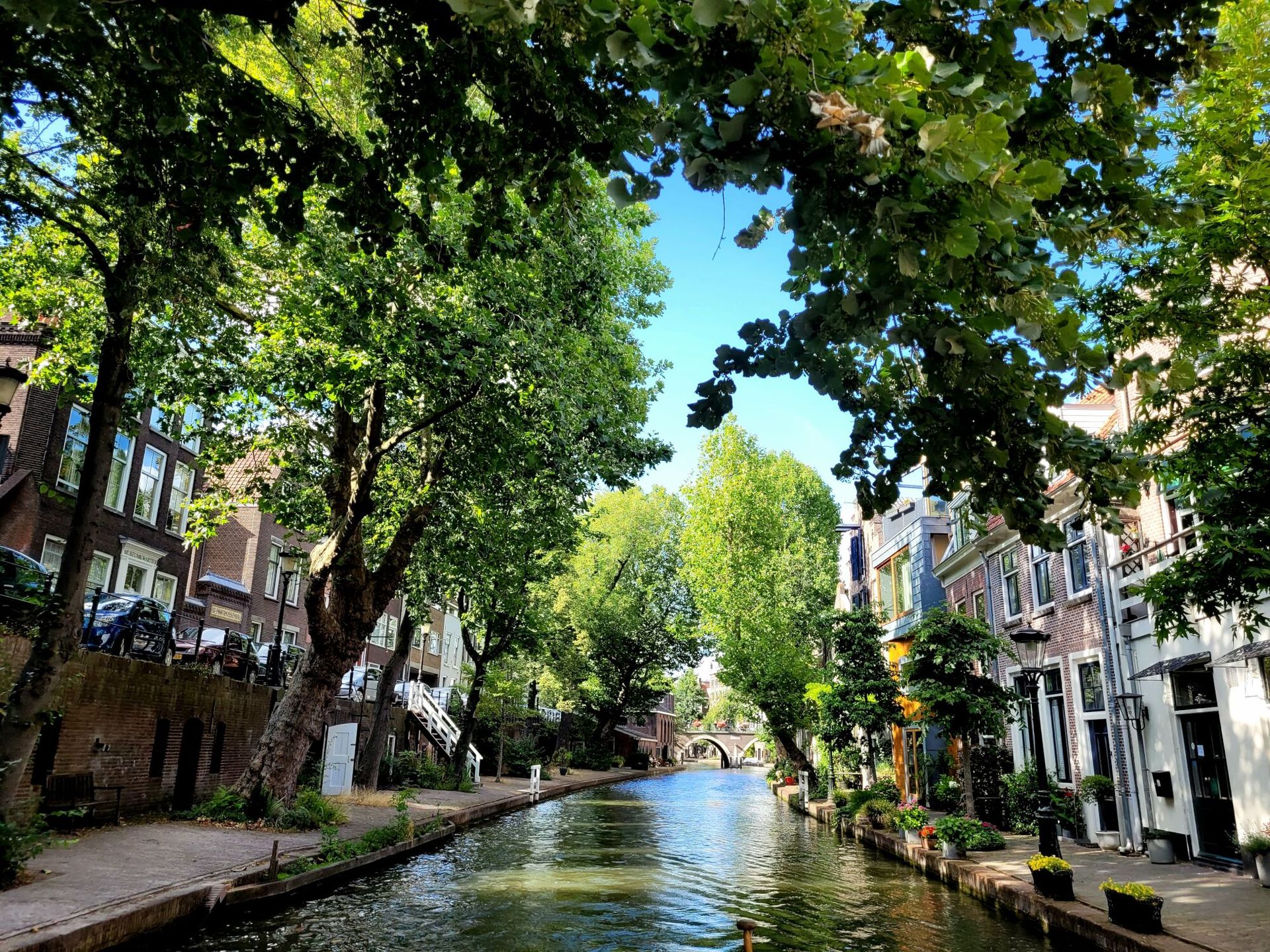
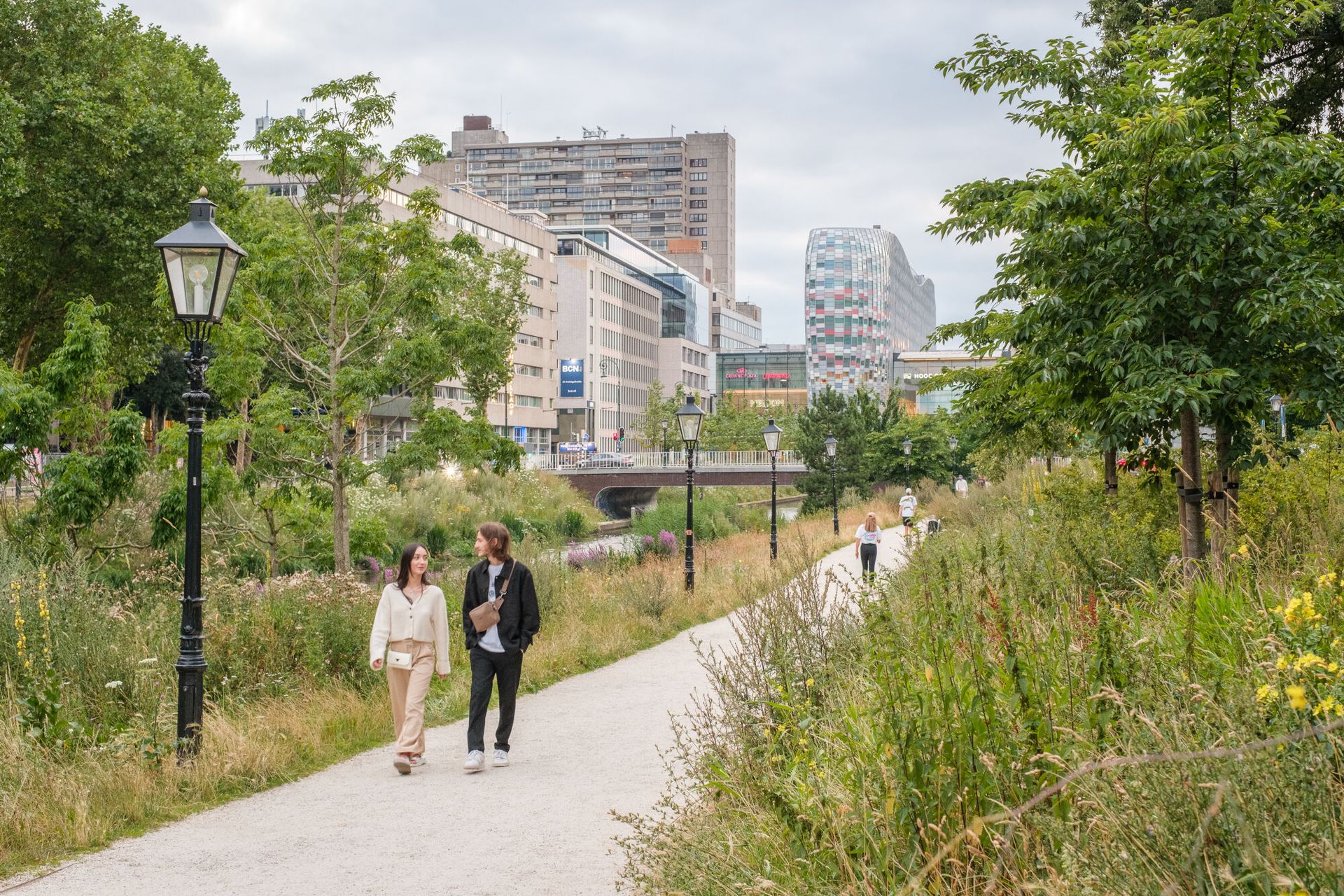
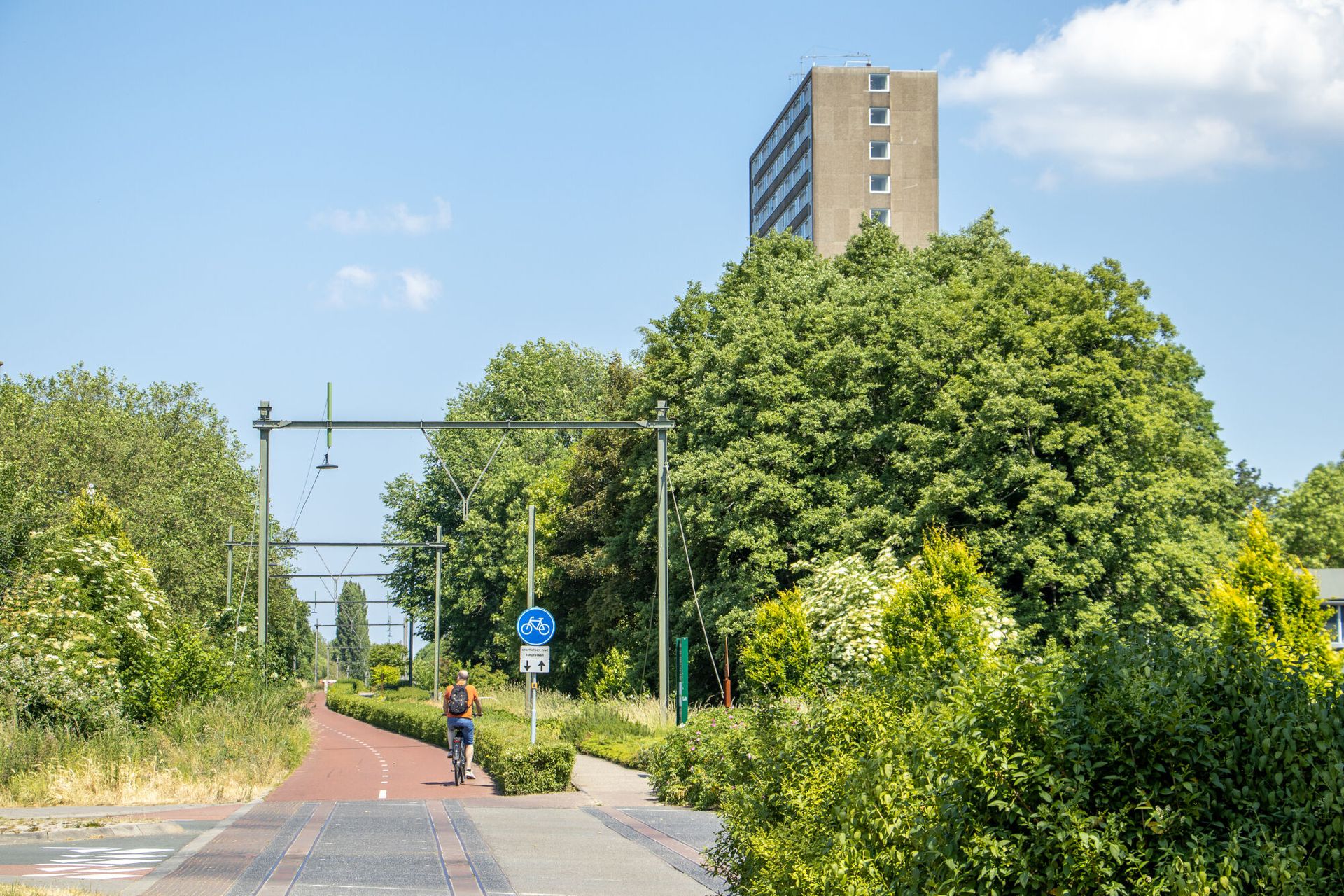
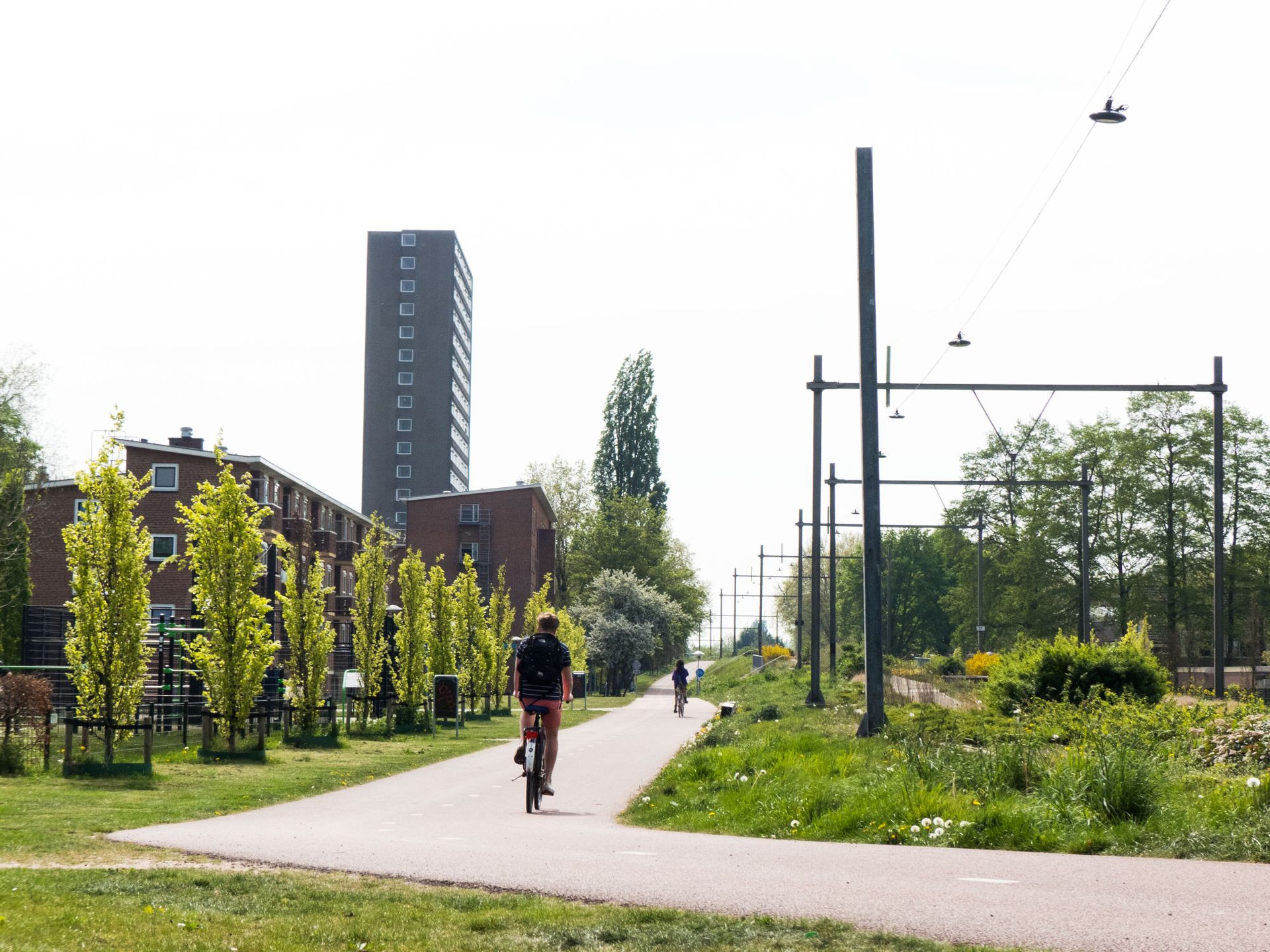
Picture credits: Gemeente Utrecht