
Antwerp
Pilot Project in Antwerp
Like many cities in the Northwestern European region, the city of Antwerp is densely populated and highly built-up. Remaining open space is scarce and often needs to serve several purposes. Therefore, within the framework of the LivableCities project, the city of Antwerp wishes to investigate how to optimally utilize open areas on top of infrastructures, without so-called ‘free soil’, for various functions, such as recreation, slow traffic, and biodiversity.
To this end, Antwerp will study the biodiversity potential of green zones situated on top of mobility infrastructure, such as tunnels and large (underground) parking garages. The Antwerp pilot comprises six locations, including the Zuidpark and the public courtyard of Den Bell (the city's administrative building). Each location is (partially) accessible and often already used for recreational purposes.
Through ecological modelling and monitoring, the Antwerp pilot will research how the biodiversity potential at each location relates to the existing greenery’s other functions. The project builds insights regarding multifunctional spatial use and ecological value in complex locations. When future projects include establishing green zones on top of infrastructure, these insights can help optimize the quality and sustainability.
In parallel with this scientific research, throughout the span of the LivableCities project, the city intends to organize several public activities at each of the six locations. The city will, for instance, hold urban nature walks and set up so-called ‘bioblitzes’. These ‘bioblitzes’ are citizen science events where residents help map plant and animal species. Ultimately, this will lead to citizens becoming more aware of and more closely involved with the biodiversity in their neighbourhood.
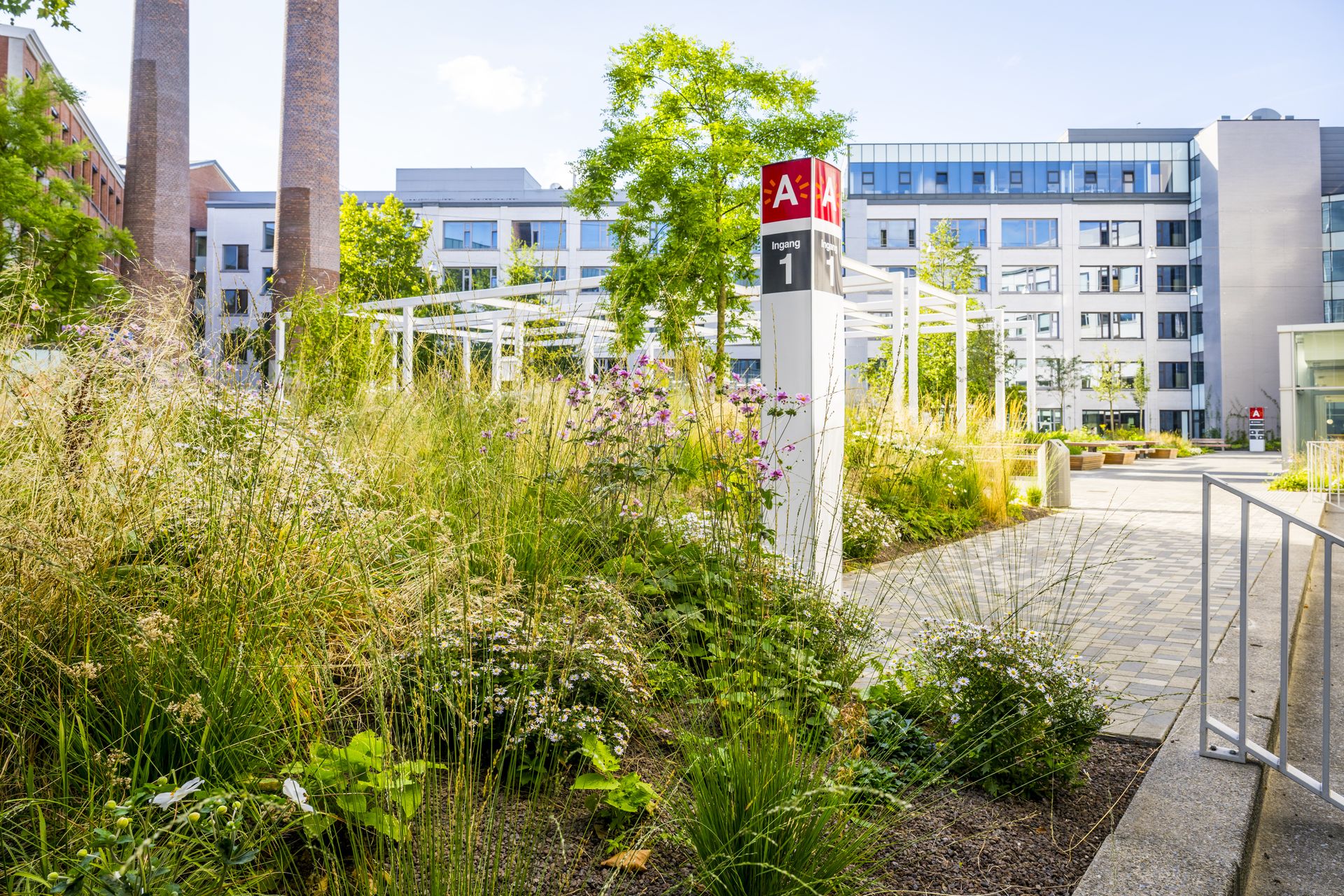
Picture credits: @frederikbeyens